

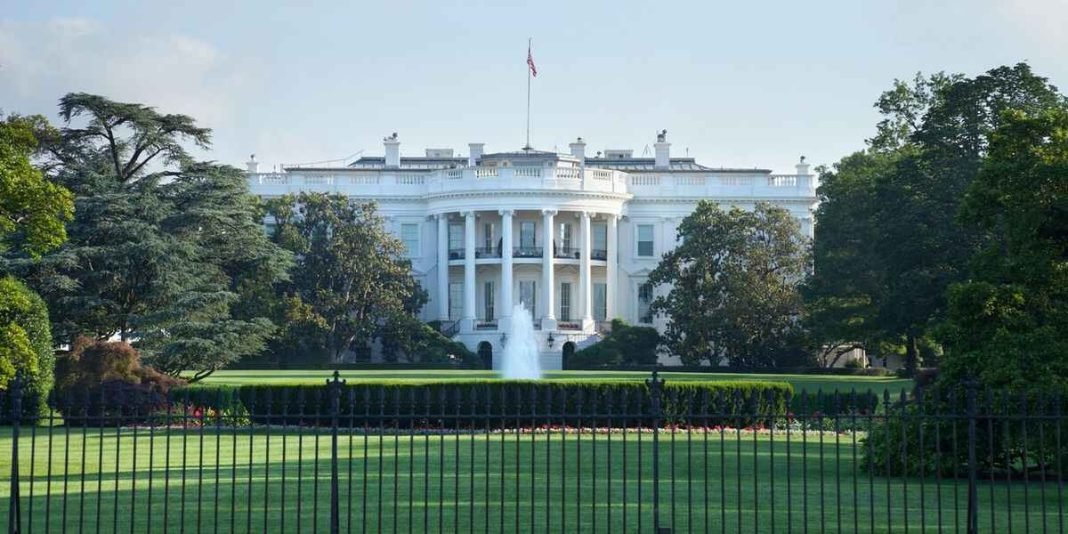
The White House has officially approved a sweeping $2.8 billion federal initiative aimed at expanding high-speed internet access across rural America, marking one of the largest connectivity investments in recent years. The plan, announced earlier today, seeks to eliminate long-standing digital divides that have limited education, healthcare access, and economic growth in underserved communities.
According to administration officials, the funding will be distributed across multiple states, with the biggest allocations going to regions where broadband access remains below national standards. The initiative is part of a broader strategy to ensure that every U.S. household has access to reliable, affordable high-speed internet by the end of the decade.
The plan will support the deployment of fiber-optic networks, wireless infrastructure, and satellite-based broadband solutions. Officials highlighted that the priority is to provide long-term, high-quality internet coverage rather than temporary or low-capacity alternatives. “This investment is not just about internet access—it’s about opportunity,” a White House spokesperson said. “When rural communities are connected, the whole country benefits.”
The decision comes after years of complaints from rural households who have struggled with slow speeds, limited providers, and high monthly costs. The pandemic spotlighted the issue, with millions of Americans forced to work, study, or attend medical appointments online, often without adequate connectivity. Lawmakers across party lines have since urged stronger federal support to modernize rural infrastructure.
Industry analysts say the $2.8 billion plan could significantly reshape the digital landscape. Large telecom companies and regional providers are expected to partner with state governments on construction and deployment over the next two to four years. The project will also generate thousands of new jobs across engineering, installation, and maintenance sectors.
In addition to upgrading physical infrastructure, the plan allocates funds for digital literacy programs to help residents learn how to effectively use online tools, apply for jobs, access telehealth services, and participate in remote education. Community centers and libraries in rural districts will also receive grants to offer free public Wi-Fi and computer access.
While the announcement has been widely praised, some critics argue that previous federal broadband programs faced delays, cost overruns, and uneven implementation. In response, the White House emphasized stronger oversight measures and stricter deadlines to ensure transparency and accountability. Officials stated that progress updates will be published every quarter, allowing the public to track construction and coverage expansion.
The initiative is also expected to boost local economies. Small businesses in rural areas have long reported losing customers and growth opportunities due to unreliable internet service. With new infrastructure, entrepreneurs may gain the ability to sell online, adopt modern tools, and compete with urban companies on a more equal footing.
For students and educators, the impact is potentially transformative. Many rural schools have operated with limited digital resources, and students have often traveled long distances to access reliable internet. With improved connectivity, districts will be able to support modern learning platforms, remote classroom options, and advanced STEM programs.
The healthcare sector stands to benefit as well. Rural hospitals and clinics, which often rely on telemedicine for specialist consultations and emergency support, will soon be able to deliver faster and more stable digital services.
As implementation begins, rural communities across the country are expressing cautious optimism. For many families, the promise of finally having fast, dependable internet could mark the beginning of new opportunities that were previously out of reach.
With billions committed and a decade-long strategy underway, the United States is taking one of its most significant steps yet toward closing the digital gap—and transforming rural life for future generations.

