

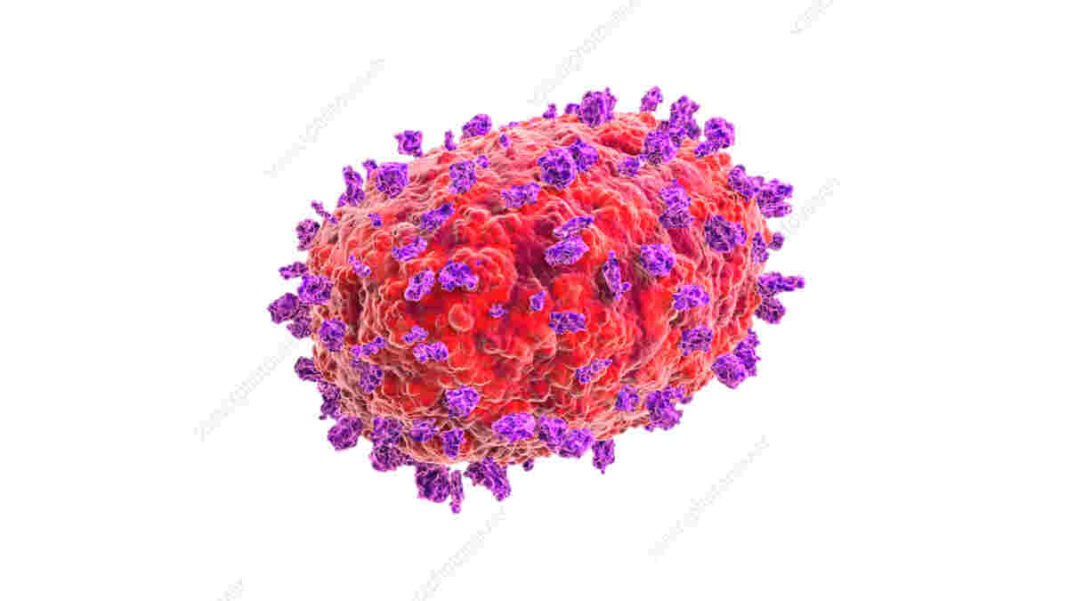
The Centers for Disease Control and Prevention has released an updated assessment on the global mpox situation, reinforcing the importance of continued surveillance, vaccination, and public awareness as cases remain present in several regions. While mpox is no longer classified as a global public health emergency, health authorities stress that the virus has not disappeared and requires sustained attention to prevent future outbreaks.
According to the CDC, recent data shows that mpox transmission remains relatively low in the United States compared to peak levels seen in previous years. However, sporadic cases and localized clusters continue to be reported, particularly in communities with close physical contact networks. The agency has emphasized that early detection and prompt response are key to preventing wider spread, especially as international travel and large public gatherings increase.
One of the major highlights of the CDC’s update is its renewed focus on surveillance systems. Public health departments across states have been advised to maintain testing capabilities and rapid reporting mechanisms. Wastewater monitoring and genomic sequencing are also being used more actively to track viral patterns and detect potential mutations. These tools help health officials understand how mpox is evolving and whether new variants could pose increased risks.
Vaccination remains a central pillar of the prevention strategy. The CDC continues to recommend targeted vaccination for individuals at higher risk of exposure, including healthcare workers and people in communities where transmission has previously been higher. The agency confirmed that vaccine supplies are currently stable, and efforts are ongoing to improve access through clinics, community health centers, and outreach programs. Public health experts believe sustained vaccination coverage will play a crucial role in preventing seasonal or regional spikes.
In its guidance, the CDC also reinforced awareness around symptoms and transmission routes. Mpox typically spreads through close, skin-to-skin contact, including intimate contact, as well as through contaminated materials such as bedding or clothing. Early symptoms may include fever, fatigue, swollen lymph nodes, and muscle aches, followed by a characteristic rash. The CDC urges individuals experiencing symptoms to seek medical advice promptly and isolate if necessary to limit further transmission.
The updated advisory also places strong emphasis on global coordination. Mpox remains endemic in parts of Central and West Africa, and international case movement continues to influence regional risks. The CDC is working closely with global partners, including the World Health Organization, to support vaccination programs, data sharing, and outbreak response in vulnerable regions. Health officials note that controlling mpox globally reduces the likelihood of reintroduction and wider spread elsewhere.
Public communication is another area highlighted in the CDC’s update. Officials acknowledged that misinformation and declining public attention can weaken prevention efforts. To counter this, the agency is encouraging clear, stigma-free messaging that focuses on health behaviors rather than fear. Community engagement, especially with local leaders and healthcare providers, is seen as essential to maintaining trust and ensuring people seek care when needed.
Experts caution that while mpox is currently under control in many countries, complacency could reverse progress. Seasonal travel, festivals, and crowded events can create opportunities for renewed transmission if preventive measures are ignored. The CDC advises maintaining basic precautions, staying informed about local health guidance, and completing recommended vaccination schedules.
The latest update underscores a broader lesson learned from recent global health challenges: preparedness must continue even when case numbers decline. Through ongoing monitoring, targeted prevention, and international collaboration, health authorities aim to keep mpox contained and prevent it from becoming a larger public health threat again.

