

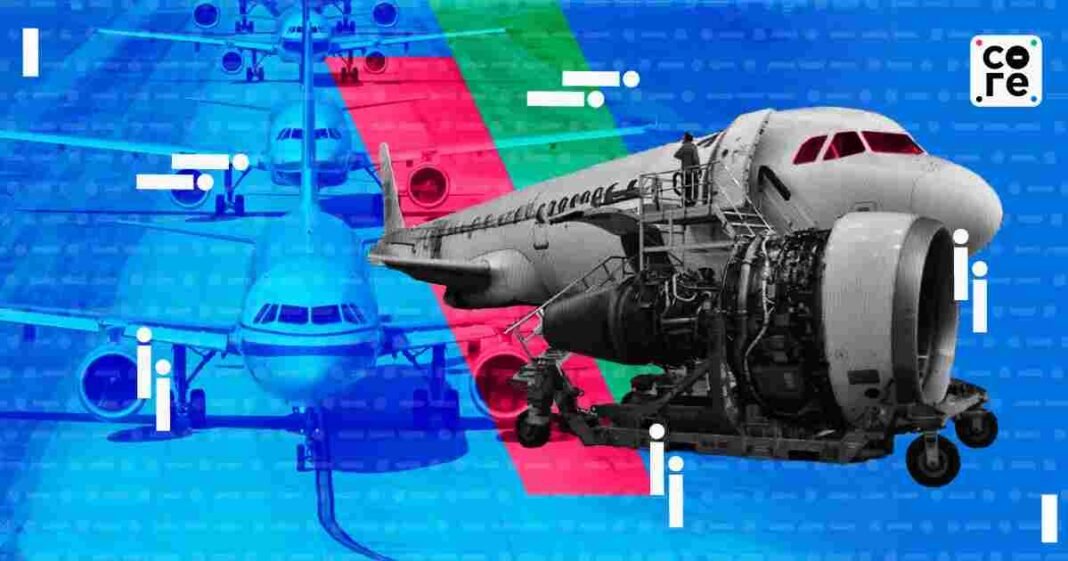
International air travel is facing renewed disruption as a wave of technical failures across airports, airlines, and air traffic systems continues to impact flights worldwide. What began as isolated incidents has quickly evolved into a broader concern for the aviation industry, exposing vulnerabilities in the increasingly complex systems that keep global travel running smoothly.
Over recent weeks, major airports across North America, Europe, and parts of Asia have reported delays and cancellations linked to technical glitches. These issues range from software malfunctions in airline booking systems to failures in air traffic control infrastructure. In several cases, flights were grounded for hours as engineers worked to restore critical systems, leaving thousands of passengers stranded.
One of the most pressing concerns has been disruptions in air traffic control systems. These systems are responsible for managing aircraft movement in the sky and on the ground, ensuring safe distances between flights. Even minor technical failures can create a ripple effect, forcing authorities to reduce air traffic capacity and delay departures. In high-traffic regions, this quickly leads to widespread scheduling chaos.
Airlines are also dealing with internal system failures that affect operations. From check-in platforms to baggage handling systems, technical breakdowns have caused delays at multiple stages of the travel process. In some cases, passengers have reported being unable to access boarding passes or track luggage, adding to the frustration of already delayed journeys.
The growing reliance on digital infrastructure has made the aviation industry more efficient but also more vulnerable. Modern airlines depend heavily on interconnected systems for scheduling, navigation, communication, and customer service. When one part of this network fails, it can disrupt the entire operation. This interconnected nature means that even localized technical issues can have global consequences.
Cybersecurity experts have also raised concerns about the possibility of cyber-related disruptions. While not all recent incidents are linked to cyberattacks, the increasing frequency of technical failures has highlighted the need for stronger digital security measures. As aviation systems become more advanced, protecting them from potential threats becomes even more critical.
Passengers are bearing the brunt of these disruptions. Long queues, missed connections, and last-minute cancellations have become more common, especially during peak travel periods. For many travelers, the uncertainty surrounding flight schedules has made planning trips more challenging, with ripple effects on tourism and business travel.
Airlines and airport authorities are working to address these issues, but solutions are not always immediate. Technical systems require regular updates, maintenance, and in some cases, complete overhauls. However, implementing these changes without disrupting ongoing operations is a complex task that requires careful planning and significant investment.
The situation has also drawn attention from regulators and governments. Aviation authorities are increasingly pushing for stricter standards and better contingency planning to ensure that technical failures do not escalate into large-scale disruptions. There is a growing consensus that the industry must invest more in resilient infrastructure to handle unexpected challenges.
Despite the current challenges, the aviation sector remains committed to improving reliability and passenger experience. Innovations such as AI-driven predictive maintenance, cloud-based systems, and real-time monitoring are being explored to prevent failures before they occur. These technologies have the potential to transform how airlines manage operations and respond to issues.
The recent disruptions serve as a reminder of how critical technology has become in global transportation. While it enables faster, more efficient travel, it also introduces new risks that must be carefully managed.
As international travel continues to recover and demand rises, ensuring the stability of aviation systems will be more important than ever. The industry now faces the challenge of balancing innovation with reliability, aiming to build a future where technical failures no longer bring global travel to a standstill.

