

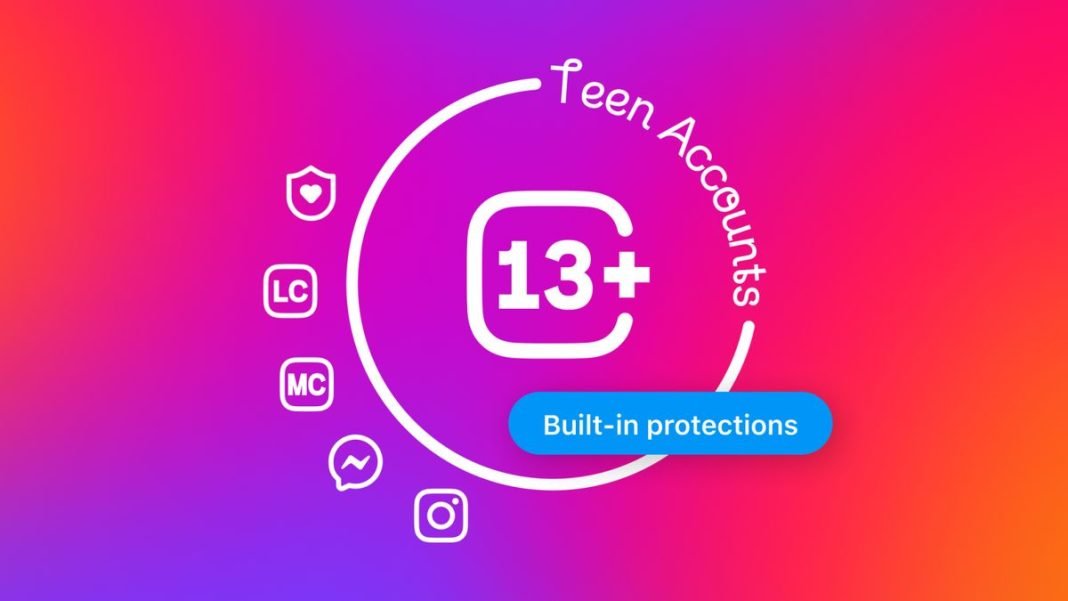
Major internet platforms are taking bold steps to make the digital world safer for teenagers. Leading this shift is Instagram, which recently introduced a PG-13 safety model, restricting access to mature content and tightening default privacy settings for users under 18. The change marks a pivotal moment in how tech companies balance engagement, safety, and responsibility.
The Evolution of Digital Responsibility
For years, social media platforms have faced mounting criticism over the impact of unfiltered content on young audiences. Reports of online bullying, exposure to harmful material, and screen-time addiction pushed regulators and parents to demand stronger safeguards. Instagram’s move to reclassify its platform as “PG-13” aims to curb these issues through a combination of AI moderation, parental controls, and user-age verification.
Under the new model, teens are automatically placed in stricter privacy modes that limit who can message them, comment on their posts, or tag them in content. Explicit content will be blurred or hidden entirely, and algorithms will prioritize positive or educational material over provocative or adult-themed content.
A Domino Effect in the Tech World
Instagram’s decision has set off a ripple effect across the industry. Platforms like TikTok, YouTube, and Snapchat are revisiting their safety frameworks to align with upcoming U.S. federal regulations on youth data protection. Even smaller content platforms are integrating parental dashboards and time-limit tools to remain compliant.
Experts say this shift is more than just a compliance measure — it’s a rebranding of social media’s public image. As governments tighten scrutiny, companies are racing to prove they can self-regulate before stricter legislation arrives.
The Business Side of Safety
Beyond ethics, teen safety is becoming a core business strategy. By positioning themselves as youth-friendly, platforms can win trust from schools, parents, and advertisers. Family-oriented brands are more likely to partner with platforms that promise a safe digital space, opening new revenue streams while minimizing legal risks.
Instagram’s PG-13 framework, for example, has already encouraged brands in education, health, and lifestyle sectors to boost their ad spending on the platform — confident that their campaigns won’t appear next to inappropriate content.
Critics and Concerns
Despite widespread praise, critics argue that these policies may lead to over-moderation and reduced user autonomy. Teen creators, in particular, worry about content reach being limited by automated filters. Privacy advocates have also raised questions about how age verification systems collect and store personal data.
Still, industry analysts believe the trade-off is worthwhile. The era of “anything goes” social media is ending, replaced by a new generation of platforms that put protection before profit — or at least appear to.
What’s Next for Digital Safety
The PG-13 model may soon become the standard across major platforms. Meta’s continued rollout will include AI-powered parental reports, digital-wellbeing notifications, and real-time risk detection for predatory behavior. Meanwhile, lawmakers in the U.S. and Europe are collaborating to enforce minimum safety standards for teen-focused apps.
In the coming years, users can expect a more moderated, mindful internet experience — one that prioritizes mental health, privacy, and control over unchecked engagement. Instagram’s bold step might just be the blueprint for how the next generation will safely connect, create, and communicate online.

