

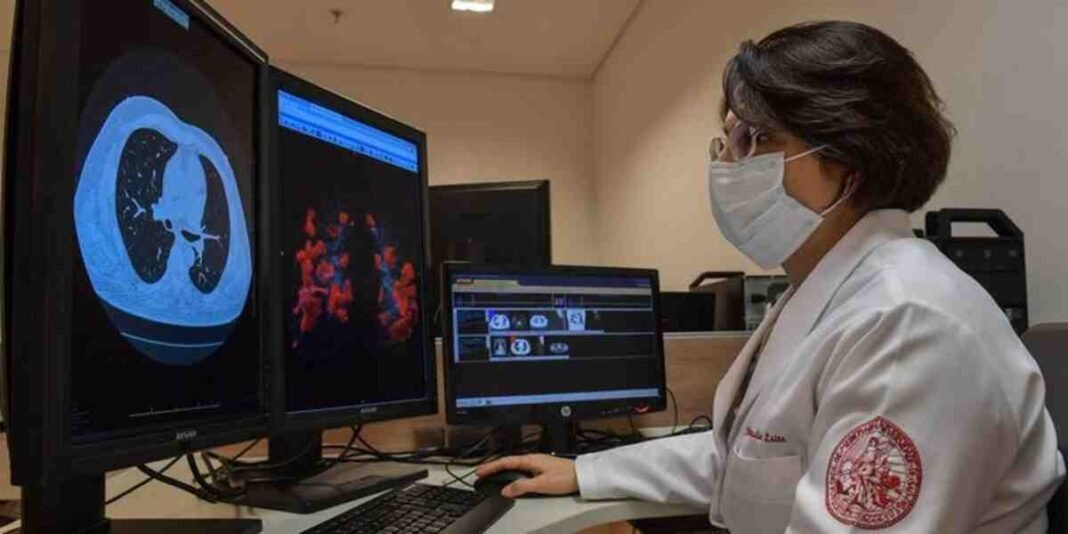
In 2026, the landscape of chronic disease diagnostics and monitoring devices is undergoing a profound transformation that’s reshaping global healthcare. Gone are the days when managing illnesses like diabetes, heart conditions, respiratory diseases, and hypertension meant frequent clinic visits and intermittent tests. Today’s innovations are anchored in continuous, real-time monitoring, advanced AI integration, and patient-centric designs — and they are changing how clinicians diagnose, track, and manage chronic conditions worldwide.
One of the most exciting developments comes from researchers in the United Kingdom, where teams at Imperial College London are developing an AI-powered “smart T-shirt” capable of detecting heart rhythm abnormalities more conveniently than traditional electrocardiograms (EKGs). Embedded with up to 50 sensors, this wearable garment continuously monitors cardiac activity during daily life — even during sleep — aiming to uncover hidden disorders that standard tests might miss. This represents a major leap toward unobtrusive, long-term cardiovascular screening that could save lives by identifying risks early.
Wearables overall have shifted dramatically beyond basic fitness tracking. According to global trend analyses, the medical device industry in 2026 is heavily focused on connected, AI-enabled health tools that empower patients and healthcare professionals alike. Devices like smartwatches, ECG patches, and continuous glucose monitors (CGMs) are now integral to chronic disease management, offering continuous data streams that lead to more informed care decisions and reduced hospital dependency.
A major cutting-edge project from the Singapore-MIT Alliance (WITEC) is pushing this boundary even further with the development of a wearable ultrasound imaging system. Designed to enable continuous real-time imaging of cardiovascular structures, this device could allow patients with hypertension or heart failure to be monitored closely at home or on the go, providing clinicians with dynamic physiological insights rather than just periodic snapshots. If successful, it may revolutionize early diagnosis and chronic care.
At the same time, embedded systems powering smart medical wearables are becoming more sophisticated, incorporating precision sensors, secure data transmission, and seamless connectivity with healthcare networks. These technologies transform everyday wearables into medical-grade monitoring systems capable of tracking vital signs relevant to chronic disease management — such as heart rate, blood pressure, glucose levels, oxygen saturation, and more — with clinical accuracy.
The rise of AI and machine learning is another critical trend. Novel platforms like VitalDiagnosis envision a future where chronic disease management is not passive but interactive and predictive. By analyzing streaming health data, these AI ecosystems can alert patients and providers to early signs of deterioration, suggest personalized interventions, and mitigate avoidable complications before they escalate.
Continuous glucose monitoring systems, such as modern CGMs, exemplify real-world impact. These devices, now equipped with extended sensor life and direct smartwatch integration, allow diabetic patients to monitor glucose levels in real time without frequent finger pricks or hospital visits, enabling better day-to-day management of the disease.
Startups are also entering specialized chronic care spaces. For example, Respiro, a UAE-based venture, is developing a wearable respiratory monitor designed to predict asthma attacks before symptoms appear through continuous acoustic lung monitoring — potentially offering a preventive tool for millions suffering from asthma worldwide.
Underpinning these advancements is the broader medical device ecosystem, which continues to grow in size and importance. As demand rises for home-based care, wearable monitoring, and telehealth solutions, the industry is expected to expand significantly through the end of the decade, driven by aging populations and increasing chronic disease prevalence.
However, these innovations are not without challenges. Integrating clinical-grade monitoring into everyday life raises questions about data privacy, ethics, regulatory compliance, and patient access. Ensuring that these technologies are affordable and equitable — rather than tools only available to wealthier populations — remains a key priority for policymakers and healthcare leaders.
In essence, the future of chronic disease diagnostics and monitoring lies in continuous, intelligent, and connected systems. These devices are transforming healthcare from reactive checkups to proactive, preventive models, empowering individuals to manage health more effectively and enabling clinicians to intervene earlier and with more precision. The result is a world where chronic conditions are not simply monitored, but actively managed — improving quality of life for millions across the globe.

