

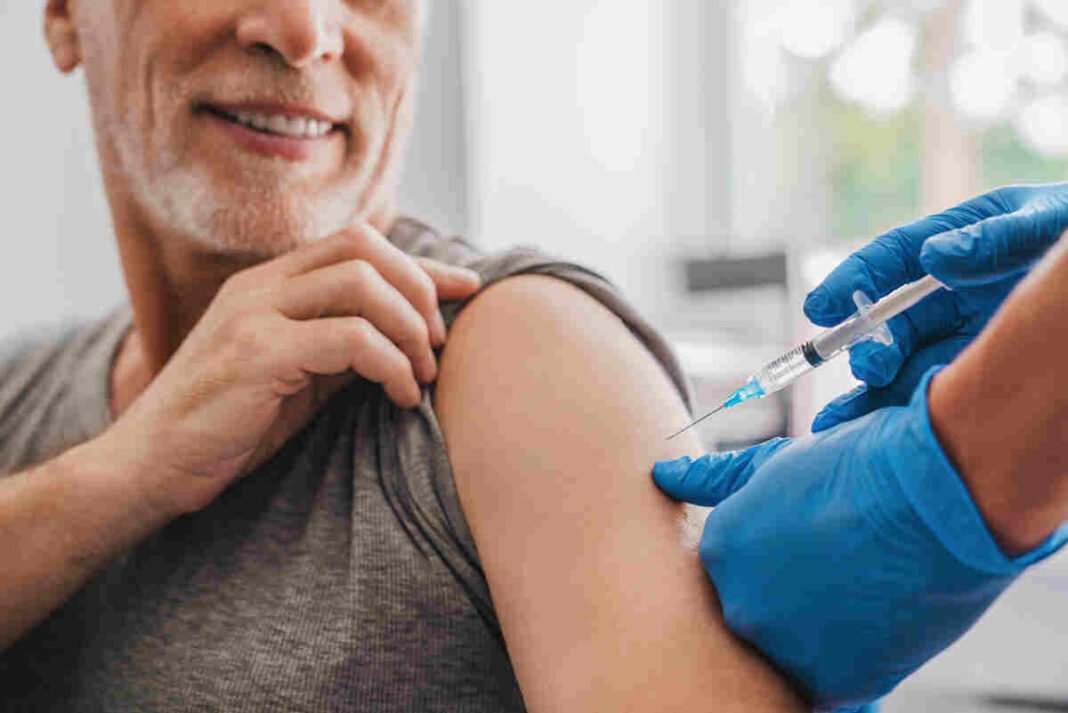
A routine shot long recommended to prevent the painful rash of shingles is emerging as one of the most promising tools yet in the fight against dementia. Recent large-scale studies suggest that getting vaccinated against herpes zoster can dramatically lower the chances of developing dementia and may even slow the disease’s progression in those already affected, offering fresh hope in a field where effective preventive options have been scarce.
The strongest evidence comes from a series of natural experiments analyzed by Stanford Medicine researchers. In Wales, a public health policy created a clear cutoff: adults born before September 2, 1933, were eligible for the free shingles vaccine, while those born just after were not. This accidental divide allowed scientists to compare two otherwise similar groups of older adults. Over a seven-year follow-up, those who received the vaccine were about 20% less likely to receive a new dementia diagnosis compared to the unvaccinated group. The absolute risk reduction translated to roughly 3.5 percentage points fewer cases, a meaningful difference at the population level.
A December 2025 follow-up study published in the journal Cell went even further, examining the vaccine’s impact across different stages of cognitive decline. Among older adults without prior cognitive issues, vaccination reduced the likelihood of developing mild cognitive impairment. For those already living with dementia, the benefits were striking: vaccinated individuals were nearly 30% less likely to die from dementia-related causes over nine years. This suggests the shot may not only help prevent onset but could also slow disease progression, potentially extending quality years of life.
Other research reinforces these findings. A U.S. analysis of more than 174,000 adults presented at IDWeek 2025 found that shingles vaccination was associated with a 50% lower risk of vascular dementia, along with reductions in cardiovascular events such as heart attacks, strokes, and blood clots. Separate observational data on the newer recombinant shingles vaccine (Shingrix) have shown even larger protective effects in some cohorts, with one 2026 study reporting up to a 51% lower observed dementia risk among fully vaccinated individuals.
Experts believe the connection may stem from the varicella-zoster virus itself. After causing chickenpox in childhood, the virus lies dormant in nerve tissues and can reactivate later as shingles, triggering inflammation that might contribute to brain changes linked to dementia. By preventing reactivation and the resulting immune response, the vaccine could interrupt this harmful pathway. The protective effect appears stronger in women, though benefits are seen across genders.
These discoveries are particularly encouraging because the shingles vaccine is already widely available, safe, and routinely recommended for adults aged 50 and older by health authorities worldwide. The newer non-live Shingrix vaccine requires two doses and offers stronger, longer-lasting protection against shingles than the older live-attenuated version used in many of the early studies. Side effects are generally mild—soreness at the injection site, fatigue, or mild fever—and serious complications are rare.
While the studies are observational and leverage natural policy variations rather than randomized trials, their consistency across large populations, different countries, and varied vaccine types strengthens confidence in the findings. Researchers emphasize that the effect size rivals or exceeds many current dementia interventions, making vaccination a low-risk, high-reward strategy that could be implemented immediately.
Public health experts are now calling for broader awareness campaigns to encourage uptake, especially among those approaching or past age 50. With dementia cases projected to rise sharply as populations age, even modest reductions at the individual level could translate into millions of healthier years globally. Ongoing research aims to confirm the mechanisms, explore benefits in diverse populations, and determine whether the newer Shingrix offers comparable or superior protection.
For many older adults and their families, the message is clear and empowering: a simple, accessible vaccine already proven to guard against shingles may also serve as a powerful shield for brain health. As scientists continue to unravel the complex links between viral infections and neurodegeneration, this everyday shot stands out as a rare bright spot in dementia prevention—one that millions can act on today.

