

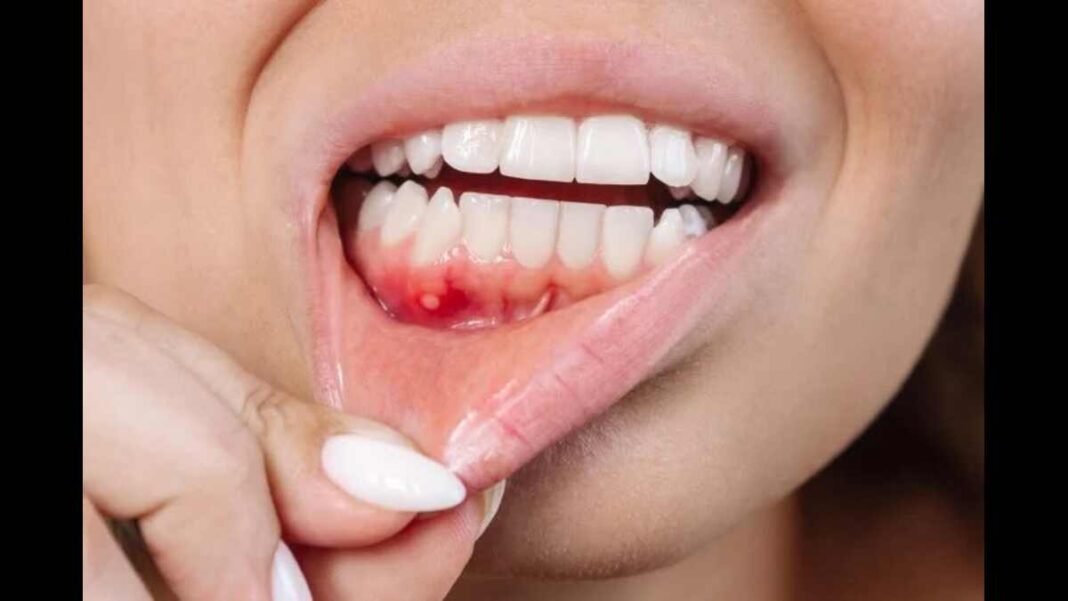
Scientists are currently investigating a new approach to fighting gum infection that might mean the end of mainstream strategies targeting as many bacteria as possible. The researchers are looking at whether communication between bacteria could be a way of getting plaque to transform into a healthier mix of bacteria.
Origin of the approach It’s based on work done by University of Minnesota scientists who determined that bacteria in dental plaque communicate with one another using chemical signals. The research indicated that disrupting the signals alters the composition of plaque, favoring bacteria that are established in healthy mouths, helping to prevent conditions necessary for periodontal disease.
Some bacteria in the human mouth are harmless some of this bacteria in the mouth is perfectly normal the mouth is home to hundreds of different bacteria in a healthy human. Though, a build-up of certain types of bacteria can bring disease.
This is one of the reasons that researchers are becoming more excited about therapies that aim to harbor good microbes instead of killing all bacteria. Traditional methods of killing microbes that involve antimicrobial agents can eliminate pathogens and have a broad impact that can also loosen healthy bacteria that help keep our mouths healthy. Historically, periodontal medicine has trended toward specific methods of managing microbes.
The scientists from Minnesota studied a things called quorum sensing. It is a way for bacteria to talk to each other in the form of chemical signals, allowing them to act as a group as they grow and form larger communities. These messenger signals are part of a family called N-acyl homoserine lactone or AHLs.
They found that the signals can impact the growth of dental plaque differently based on mouth conditions. When conditions are oxygenated and above the gumline, in the absence of periodontal disease, the AHL signaling disruption was linked to bacteria that promote healthier oral conditions. In the presence of Anoxic conditions below the gumline, in the presence of periodontal disease, the signals were found to be related to bacteria that promote more advanced disease.
Lactonases – enzymes that degrade AHL signaling molecules – are employed to visit this communication system. AHL signaling molecules, which they degrade are a form of bacteria’s chemical chatter. The approach is as circumvents killing the bacteria and instead starting altering the material they exist and it promotes a general healthful normalized population report.
Understanding these differences could be useful in managing future treatments of periodontal disease. Dental plaque is more akin to a dynamic community than an aggregation of separate bacteria, with early-stage plaque harboring comparatively benign bacteria, to later-stage diverse communities with far greater numbers of bacteria linked to disease. By blocking the cues that govern the development of these communities, it might one day be possible to maintain plaque in a healthier state.
It also is part of a larger movement toward precision treatments for gum disease. Other teams are studying narrow-spectrum antibiotics, bacteriophages, and other agents that selectively attack disease-related microbes while sparing the beneficial bacteria. For instance, other researchers have previously examined a narrow-spectrum antibiotic that would attack Fusobacterium nucleatum without causing much collateral damage to healthy oral and gut microbiota.

