

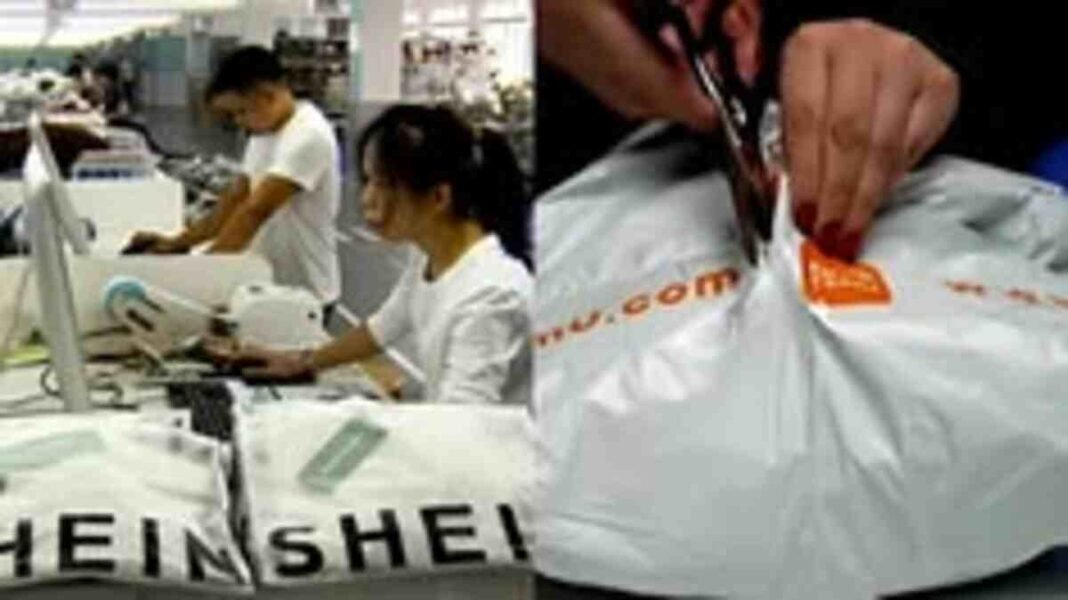
Shein has quietly turned its back on one of its most radical efforts to move production out of China. Less than a year after a giant logistics complex was leased near Ho Chi Minh City, its ultra-fast fashion retail parent is cutting back sharply in Vietnam and funneling new investment to the usual manufacturing redoubt in southern China. The story started with high expectations. By late 2024 when U.S. tariffs on Chinese imports skyrocketed and the prospects for the de minimis duty free allowance were looking bleak, Shein urged many of its top suppliers to establish factories in Vietnam. The company itself rented 15 hectares of bonded warehouse spaceabout 21 football fieldsoutside of Vietnam’s business hub. The facility employed thousands of people and was said to be the largest of its kind in Vietnam.
The plan seems simple: Make Vietnam an export hub with lower tariff tariffs but keep the same handiness that made Shein front-runner for $5 tops and $10 dresses. But reality was more complicated. Vietnamese factories could not operate at the dizzying speed, minuscule order sizes, and cutthroat margins characterized by Shein. Suppliers who relocated struggled with the lower productivity of long hoursand the persistent difference in operating efficiencies. And then U.S. trade policy took another turn. The exemption from tariffs for packages whose value was below$800 was removed entirely for shipments from all countries (not just China).
Tariffs on Chinese goods Next decreased from their highs, reducing Vietnam’s advantage. In July, both China and Vietnam were hit by new tariffs due to forced-labor issues, which put the threat of tariffs back on Vietnam. Several sources close to operations have confirmed that Shein has reduced lease of its warehouse holdings to roughly six hectares. Today, only around a third of the area planned for use continues to be actively occupied.
Downsizing commenced in April and persisted throughout the summer, reducing some teams by as much as 75 percent. I observed that in a visit to the new complex late this summer, it was largely deserted while other warehouses ran as usual. Chinese suppliers who moved with Shein to Vietnam are already returning to China. Foundry managers of the busy Panyu district in southern China’s Guangzhou, a long-knownconcentrated area of tiny garment workshops serving Shein platform, said many of those who set up Vietnamese factories have already shut down or scaled down.
One manager said that even if Vietnamese products had lower tariffs to the United States, the less efficient arrangement was not sustainable than staying in China. Shein is retreating further into south China. A source close to the company told Nikkei Asia that chief executive, Sky Xu, has committed more than 10 billion yuan ($1.4 billion) in investment in the region to expand a smarter, more automated, supply-chain.
The company is also mulling a proposed Hong Kong IPO, after previous efforts to list in New York and London have been put on hold. Though, with some domestic suppliers becoming more choosy and Shein’s order volumes declining with weaker U. S. demand, the company’s low-volume, lower-margin model means many factories have begun shifting their preference to larger customers with longer lead times.

